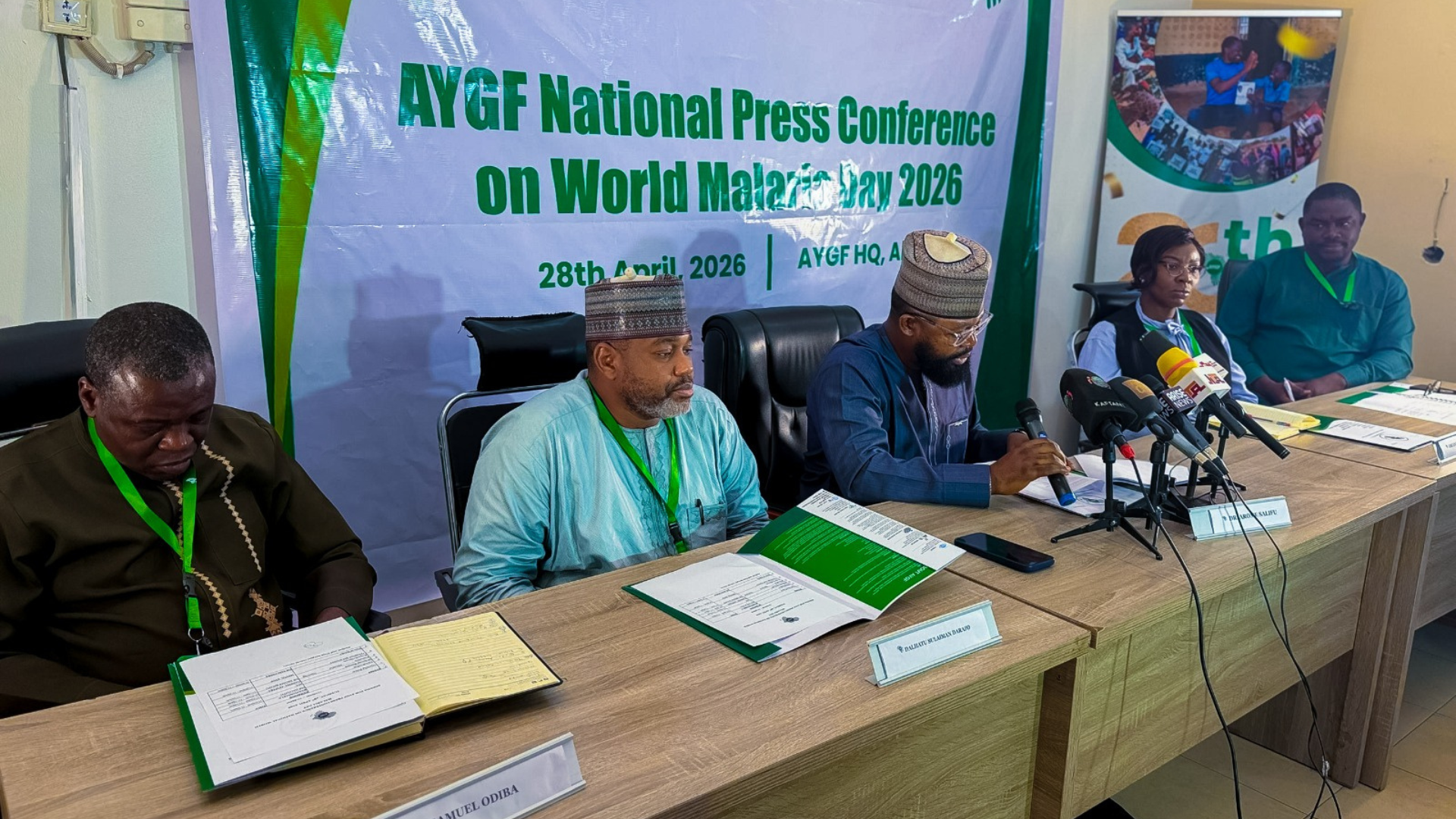
In commemoration of World Malaria Day, the Africa Youth Growth Foundation (AYGF) hosted a press conference to reaffirm its unwavering commitment to the fight against malaria and the promotion of healthier communities across Nigeria. The event brought together stakeholders, advocates, media representatives, and community voices to spotlight the urgent need for stronger action in malaria prevention, treatment, and public awareness. As one of the leading public health challenges in Nigeria, malaria continues to affect millions of people annually, particularly vulnerable populations such as children under five, pregnant women, and underserved communities. During the press conference, AYGF emphasized that ending malaria requires a collective and sustained effort. Through stronger collaboration among government institutions, development partners, healthcare providers, civil society organizations, and local communities, significant progress can be made toward reducing the burden of the disease and saving lives. AYGF highlighted the importance of increased awareness campaigns, access to preventive measures such as insecticide-treated mosquito nets, early diagnosis, and timely treatment. The organization also stressed the need to strengthen health systems to ensure that essential healthcare services reach the people who need them most. The press conference also served as a platform to encourage individuals and communities to take proactive steps in preventing malaria through proper environmental sanitation, early healthcare seeking behavior, and participation in awareness programs. In a significant milestone for the campaign, AYGF’s World Malaria Day press conference received media coverage on NTA, AIT, Arise News, Radio Nigeria, NAN and Daily Trust among others, helping to amplify the conversation on malaria prevention and control across the country. The recognition further strengthens advocacy efforts by bringing national attention to the urgent need for sustained investment and action in the fight against malaria. AYGF expressed appreciation to the media outlets for spotlighting this important issue and helping raise awareness on the collective responsibility needed to combat malaria in Nigeria. As the world continues to mark World Malaria Day, AYGF remains steadfast in its mission to work alongside partners, communities, and stakeholders to drive sustainable solutions toward a malaria-free future. Together, we can end malaria.

Strengthening Accountability and Protection: AYGF Partners with Edo State Ministry of Health on GBV Stakeholders’ Meeting
The Africa Youth Growth Foundation (AYGF), in collaboration with the Edo State Ministry of Health, recently convened a stakeholders’ meeting on Gender-Based Violence at the State Secretariat. The meeting forms part of ongoing efforts to promote gender equity, strengthen protection systems, and improve accountability within the health sector. The session brought together key stakeholders, including the Honourable Commissioner for Health, the Permanent Secretary, the PM IMPACT Project team, and other actors within the state’s health and social protection systems. The gathering created a platform for dialogue, coordination, and shared commitment to addressing gender-based violence more effectively. During the meeting, the Honourable Commissioner for Health highlighted the importance of coordinated action in tackling GBV. He reiterated the government’s zero-tolerance stance on unethical practices in healthcare delivery, noting that health workers who engage in misconduct, such as charging for services that should be free, will be held accountable. This position reinforces the state’s commitment to transparency and justice within the health system. The meeting also featured a review of the PM IMPACT project, led by the Permanent Secretary and the Project Implementation Unit. AYGF’s Project Director delivered a presentation outlining the organization’s approach to GBV prevention, community engagement, and health system strengthening. Stakeholders contributed actively through discussions and feedback sessions, and AYGF ensured that these inputs were incorporated into the project’s ongoing plans. Through this engagement, AYGF continues to support improvements in several key areas. These include strengthening accountability within health institutions, improving coordination among government and partner organizations, and promoting a more effective response to gender-based violence. The initiative also reinforces the importance of survivor-centered care that prioritizes prevention, timely response, and dignity. AYGF remains committed to building systems that are equitable, transparent, and responsive to community needs. By working closely with government and stakeholders, the organization is contributing to safer communities and stronger mechanisms for preventing and addressing gender-based violence.

Strengthening Health Systems: AYGF Leads Statewide Malaria Logistics Training in Edo State
The Africa Youth Growth Foundation (AYGF), in collaboration with the State and National Malaria Elimination Programs, recently carried out a statewide Malaria Product Logistics System training in Edo State. This effort is part of ongoing work to support malaria elimination and improve the efficiency of health systems at the community level. The training reached 375 healthcare personnel across all 18 Local Government Areas in the state. It focused on strengthening the capacity of frontline health workers to manage malaria commodities effectively and ensure that essential services remain consistent and reliable. Participants included pharmacists, LMCU coordinators, officers in charge of Primary Healthcare Centres, Local Government Area medical officers, and CMS warehouse managers. These professionals play a key role in handling malaria prevention and treatment commodities such as insecticide-treated nets, rapid diagnostic tests, and antimalarial medicines. Strengthening their capacity helps improve how these resources are tracked, distributed, and used within communities. As part of the program, a Training of Trainers session was held in Benin City. The session brought together key stakeholders, including the Edo State Permanent Secretary, Dr. Paul Eighemhenrio, as well as the Director of Pharmaceutical Services and the Director of Public Health, Dr. Steven Ojiefo. Participants took part in practical sessions led by Dr. Oghenemine Utake of the National Malaria Elimination Programme. The sessions focused on building skills in commodity tracking, inventory management, reporting, and the use of data to support decision making. Improving malaria logistics management supports better health outcomes. With stronger systems in place, health facilities are better equipped to maintain continuous access to prevention and treatment services. It also improves accountability, strengthens data accuracy, and ensures that resources provided by partners and donors are used effectively. In addition, building capacity within the health workforce contributes to long-term sustainability in malaria control and elimination efforts. This initiative reflects AYGF’s continued focus on practical, community-based interventions that address critical health challenges. The organization acknowledges the support of the State Malaria Elimination Programme, the National Malaria Elimination Programme, the Federal Ministry of Health, and local partners. Through collaboration and sustained effort, AYGF is contributing to stronger health systems and improved access to care for communities across Edo State.
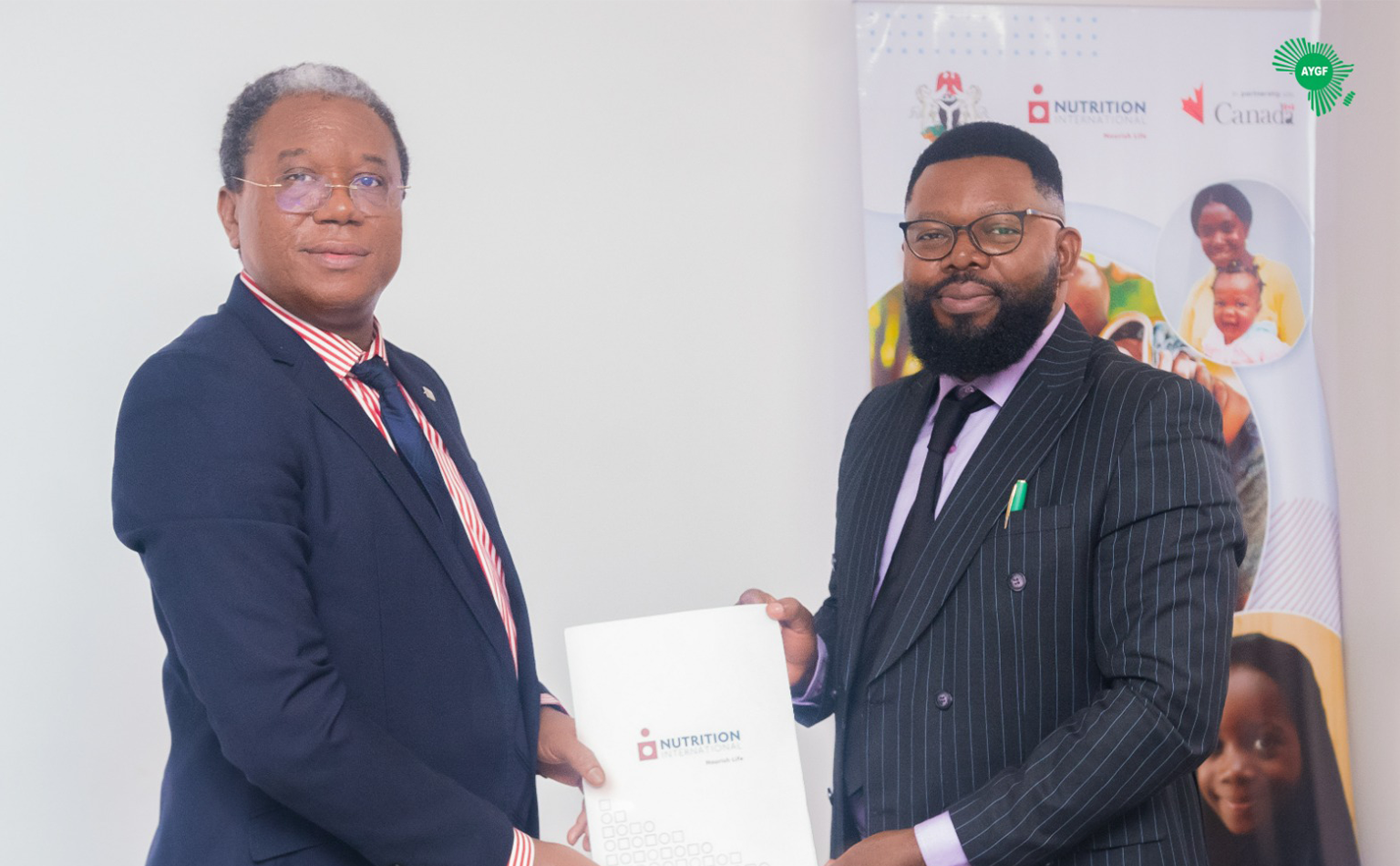
Strengthening Nigeria’s Nutrition Systems: AYGF and Nutrition International Forge New Strategic Partnership
In a significant move toward improving public health outcomes in Nigeria, the Africa Youth Growth Foundation (AYGF) recently conducted a high-level courtesy visit to Nutrition International Nigeria. This visit marks a pivotal step in AYGF’s mission to build impact-driven partnerships that address the root causes of health disparities. The engagement served as a strategic platform to align AYGF’s grassroots programs with Nutrition International’s global technical expertise, focusing on a shared goal: advancing health, nutrition, and community well-being. Focusing on the Most Vulnerable The core of the discussion centered on the urgent need to improve nutrition outcomes for women and children. These groups remain the most vulnerable to the devastating long-term effects of malnutrition, which often manifest as: AYGF and Nutrition International explored practical ways to integrate preventive nutrition into existing primary healthcare frameworks. The consensus was clear: nutrition should not be a standalone service but a central pillar of the healthcare system. The Three Pillars of Impact Through this burgeoning collaboration, AYGF is set to scale its efforts across three critical areas: “By bridging the gap between clinical nutrition services and community-level outreach, we are working to break the cycle of poverty and poor health.” A Model for Scalable Change This partnership underscores the power of multi-stakeholder collaboration. By combining Nutrition International’s technical rigor with AYGF’s expansive community network and operational reach, the two organizations are creating a model for service delivery that is both scalable and deeply rooted in local needs. As we move forward, AYGF is committed to an active exchange of knowledge and resources. Together, we are co-creating interventions that deliver measurable, long-term benefits to Nigeria’s health landscape and national development goals.
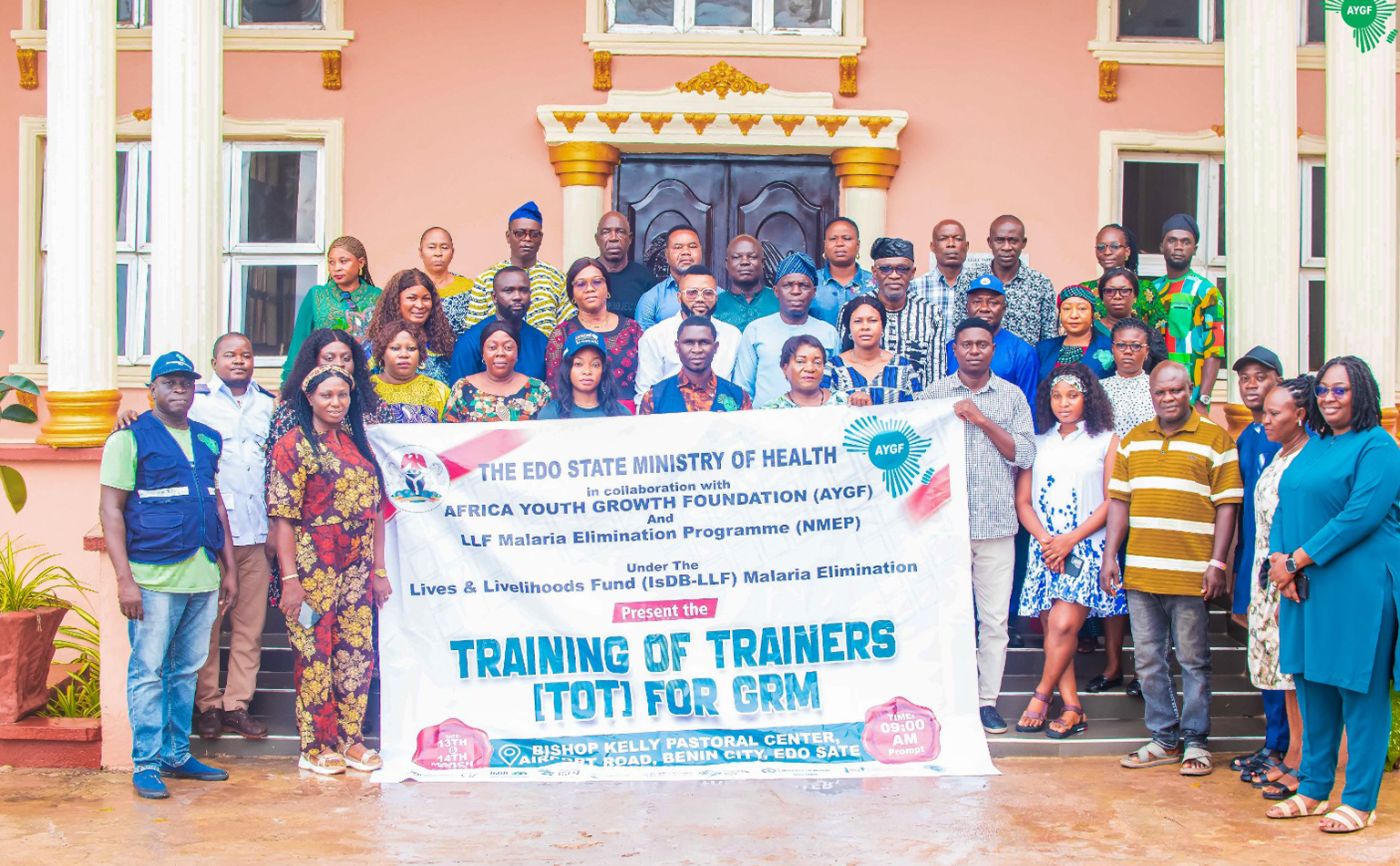
Strengthening Accountability and Community Engagement: AYGF Trains Grievance Redress Committees in Edo State
In a significant stride towards achieving sustainable health outcomes in Edo State, the African Youth Growth Foundation (AYGF) recently concluded a vital two-day training and inauguration event in Benin City. This initiative, part of the ongoing Malaria Elimination Project, focused on establishing and training State and Local Government Area (LGA) Grievance Redress Committees and strengthening local capacity for waste management practices. A Collaborative Approach to Community Support Held in the month of March, this crucial engagement was delivered in close collaboration with key partners: By bringing together a diverse group of participants, including healthcare workers and Social and Environmental Safeguard Officers, the AYGF team emphasized the critical need for a coordinated, multi-level approach to project delivery. The presence of technical officials from the NMEP and representatives from the Edo State Ministry of Health underscores the importance placed on this collaborative effort. Key Objectives: Transparency, Accountability, and Long-Term Trust The primary objective of the training was to equip stakeholders with the necessary knowledge and tools regarding: By focusing on these two critical pillars, the event sought to achieve several vital outcomes: Building a Brighter, Healthier Future for Edo State The successful inauguration of these Grievance Redress Committees and the successful training of trainers mark a significant milestone in AYGF’s commitment to community-driven development and effective health interventions. By empowering local stakeholders and prioritizing community engagement, we are paving the way for sustainable health outcomes and a healthier future for the people of Edo State. AYGF is proud of the dedication and active participation shown by all attendees. We remain steadfast in our focus to ensure that this strengthened capacity translates into tangible, effective, and accountable service delivery for the communities we serve.
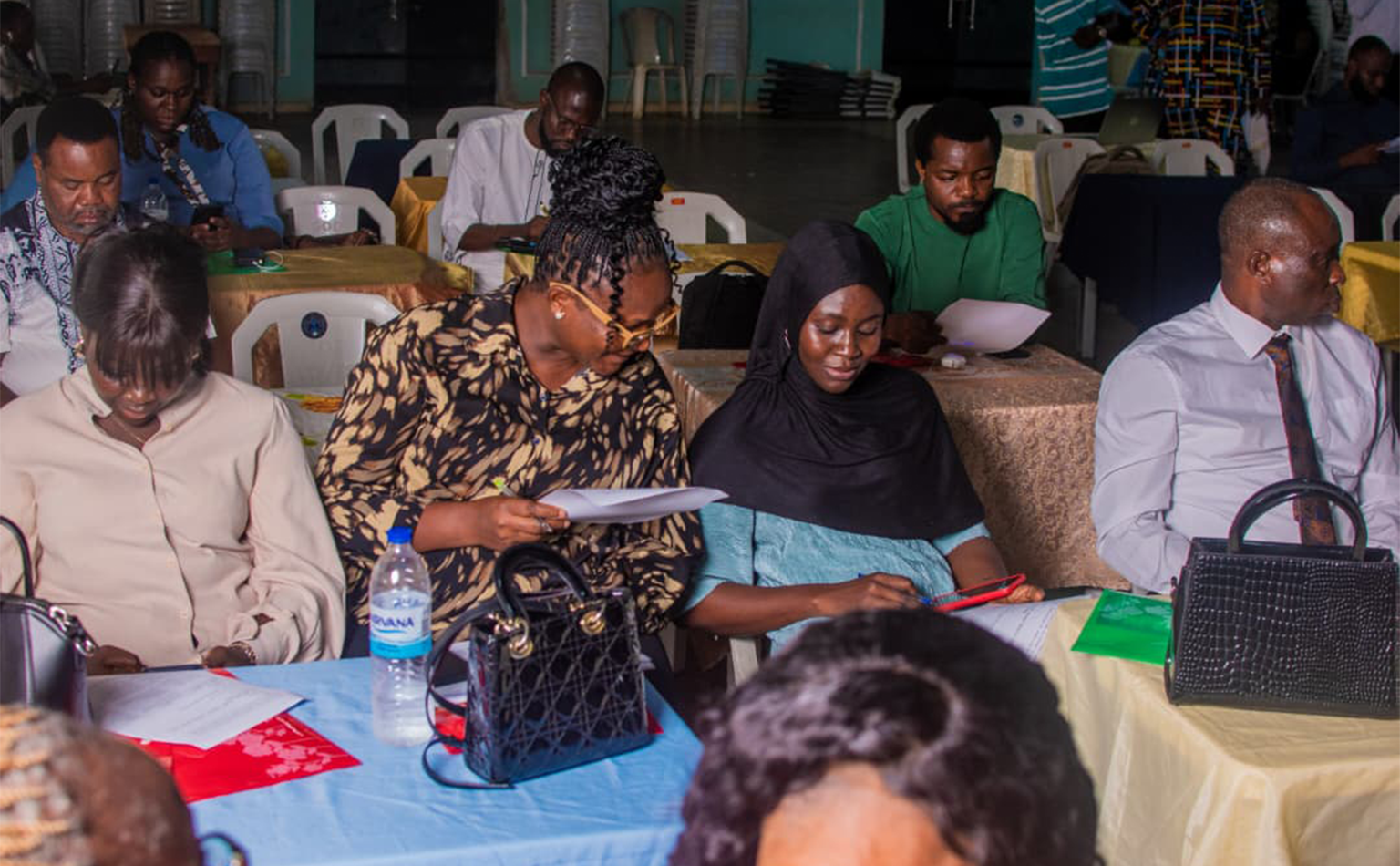
Strengthening Accountability: AYGF Convenes GRM Training and Inaugurates Committees in Edo State
In a significant move toward more transparent and community-centered development, the Africa Youth Growth Foundation (AYGF) Edo team recently hosted a comprehensive two-day Training of Trainers (ToT) and successfully inaugurated Local Government Area (LGA) and State Grievance Redress Committees (GRCs) in Benin City. This strategic engagement was held in close collaboration with the National Malaria Elimination Programme (NMEP) and the Edo State Ministry of Health. It brought together dedicated health workers and safeguard officers to bolster institutional capacity regarding Grievance Redress Mechanisms (GRM) and sustainable waste management systems under the Malaria Elimination Project. Building Systems for Community Voice The training was specifically designed to move beyond traditional project management by building systems that ensure community voices are actively addressed throughout the project’s lifecycle. By equipping stakeholders with specialized tools, AYGF is fostering a culture of: A Coordinated Approach to Sustainability The success of this initiative underscores the vital importance of a multi-level collaboration between national, state, and local stakeholders. By aligning these different levels of governance, AYGF ensures a unified and coordinated approach to sustainable development. The formal inauguration of the GRCs marks a significant milestone in institutionalizing community feedback. It ensures that future project implementations remain inclusive and responsive to the people on the ground. Through these efforts, AYGF continues to demonstrate leadership in systems strengthening and accountable service delivery. At its core, this initiative moves us closer to a vision of development built on the pillars of trust, transparency, and community ownership.
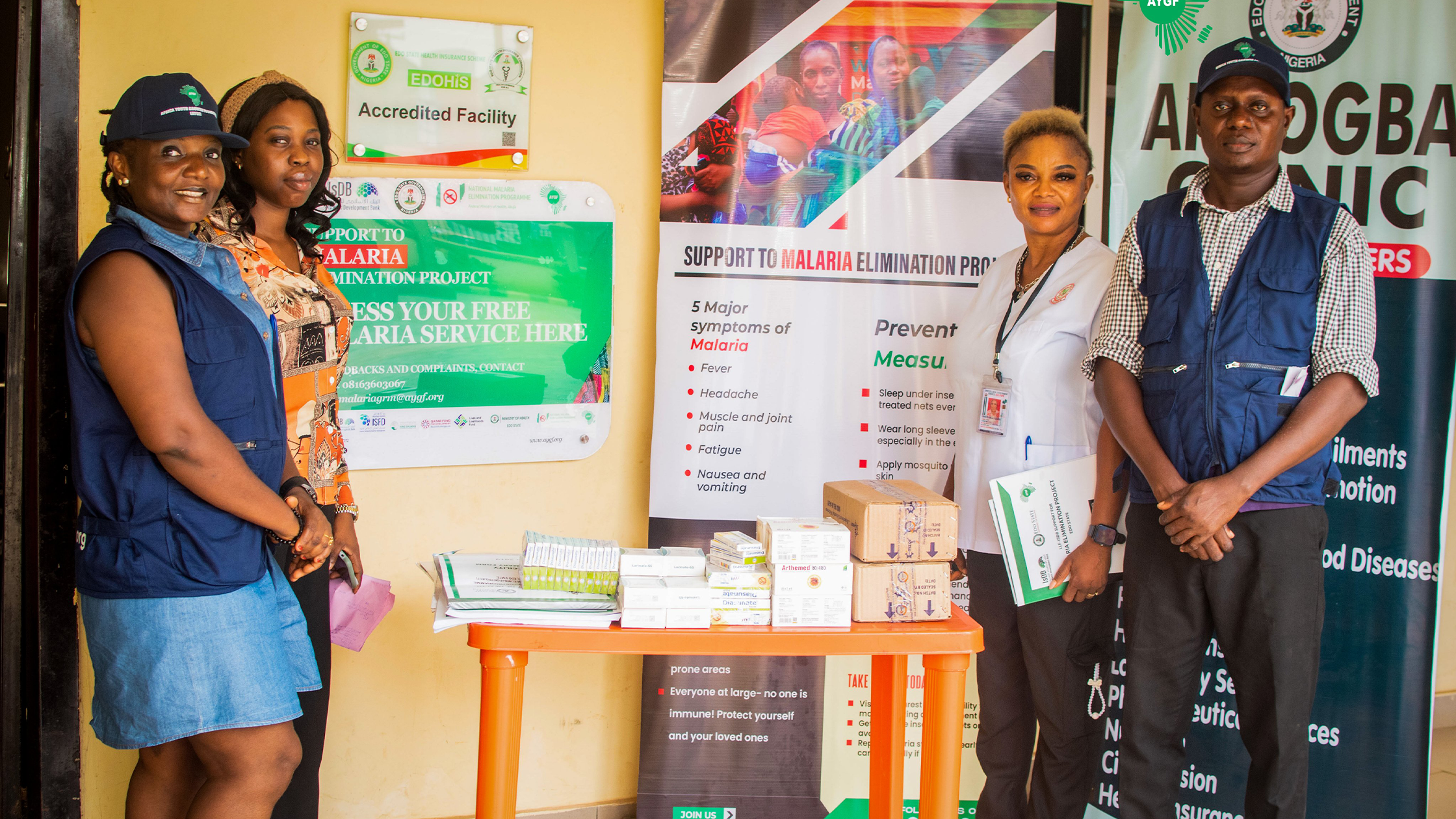
Delivering Hope at the Last Mile: AYGF Reaches 543 PHCs Across Edo State
Edo State, Nigeria — In a monumental step toward eradicating malaria and safeguarding vulnerable populations, the Africa Youth Growth Foundation (AYGF) has successfully concluded the last-mile distribution of free, life-saving malaria commodities to 543 Primary Healthcare Centres (PHCs) across all 18 Local Government Areas of Edo State. This critical intervention was implemented under the Support to Malaria Elimination Project (SMEP), in robust collaboration with the National Malaria Elimination Programme (NMEP) and the Edo State Ministry of Health. Bridging the Gap in Malaria Prevention and Treatment Malaria remains one of the leading causes of morbidity and mortality in Nigeria, disproportionately affecting pregnant women and children under five. For these high-risk groups, timely access to preventive and curative commodities is not just a health service—it is a matter of life and death. By strengthening the last-mile supply chain, AYGF ensures that these essential commodities reach the facilities closest to the communities that need them most. Our on-the-ground efforts are directly contributing to: Beyond Logistics: A Commitment to Sustainable Health This milestone goes far beyond complex logistics. It is a true reflection of AYGF’s unwavering commitment to health system strengthening, accountability, and sustainable health outcomes. By delivering commodities directly to the PHCs, we ensure that frontline health workers are fully equipped to respond promptly and effectively, ultimately saving lives and restoring hope to countless families across Edo State. Every carton delivered represents more than supplies.Every facility reached represents a community protected.Every dose administered represents a step closer to a malaria-free future. Through strategic partnerships and community-focused implementation, AYGF continues to demonstrate that impactful development happens when unwavering commitment meets effective coordination—ensuring that no community is left behind. To learn more about our health interventions and how we are impacting communities across Africa, follow AYGF on our social media platforms and subscribe to our monthly newsletter.
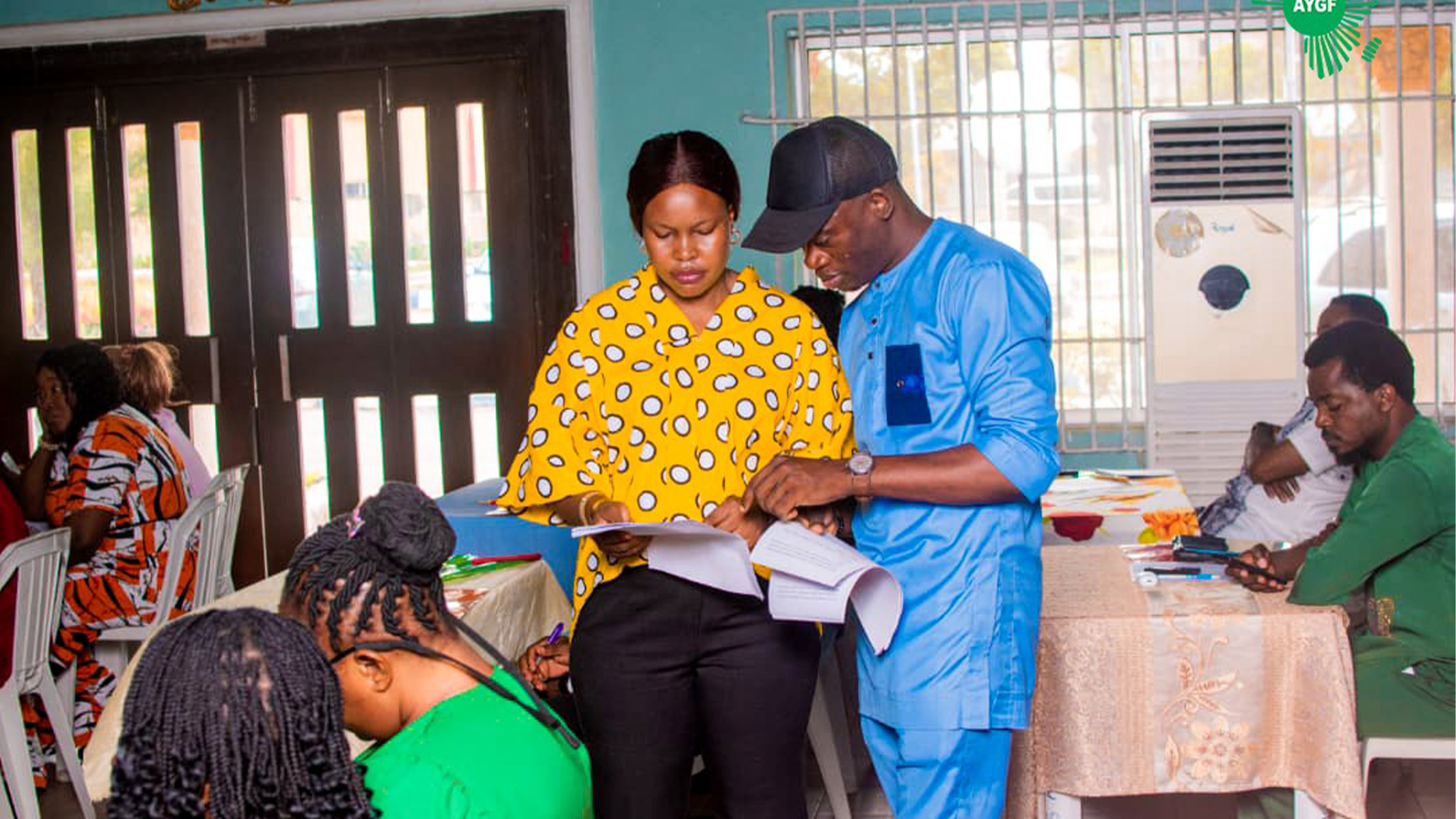
Strengthening Malaria Response: AYGF Edo Team Leads MPLS Training for Healthcare Providers
Edo State, Nigeria — In a continued effort to build resilient health systems and combat one of Nigeria’s most pressing public health challenges, the Africa Youth Growth Foundation (AYGF) Edo team recently commenced the Malaria Product Logistics System (MPLS) Training. Organized under the Support to Malaria Elimination Project (SMEP), this crucial initiative brought together 38 primary and secondary healthcare providers representing all 18 Local Government Areas (LGAs) in Edo State. Empowering Frontline Workers with Data and Logistics Tools The core objective of the MPLS training was to significantly enhance the capacity of healthcare providers in malaria commodity tracking, reporting, and overall data management. By equipping these frontline workers with the right skills, AYGF ensures that life-saving malaria supplies reliably reach the communities that need them most without interruption. During the comprehensive sessions, participants were trained on the accurate and efficient use of key health management tools, including: This training reinforces the critical role that reliable data plays in maintaining uninterrupted malaria service delivery and preventing stock-outs of essential commodities. High-Level Recognition and Strategic Impact The initiative has already garnered high-level commendation from key state health officials. Dr. Paul Eighemhenrio, Permanent Secretary of the Edo State Ministry of Health, and Dr. Steven Ojiefo, Director of Public Health, both recognized AYGF’s strategic intervention as timely and instrumental. They noted its direct impact on improving accountability, efficiency, and transparency within the state’s malaria commodity distribution network. By strengthening logistics systems and promoting unshakeable data integrity, AYGF is not merely supporting individual healthcare providers; we are contributing directly and forcefully to the State’s broader malaria elimination efforts. A Collaborative Effort for Sustainable Change This project is a testament to the power of strategic partnerships. It is implemented in close collaboration with the Edo State Ministry of Health and the National Malaria Elimination Programme (NMEP), with vital funding provided by the Islamic Development Bank (IsDB). At AYGF, we believe sustainable development and humanitarian impact are achieved when communities and health systems are empowered with the knowledge, tools, and support necessary to deliver lasting change. This training in Edo State is another bold step toward a malaria-free future for all.
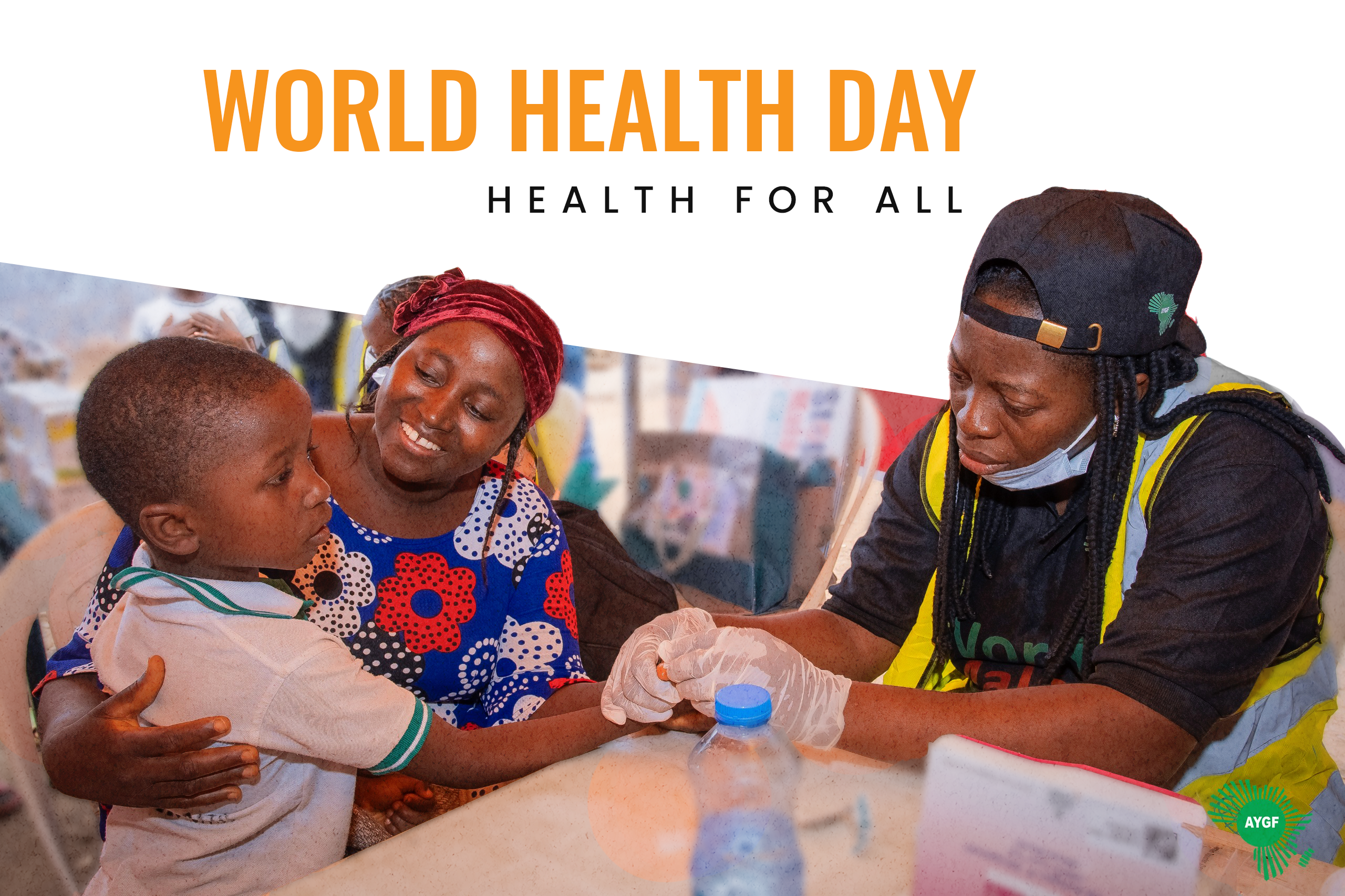
Health Today, Hope Tomorrow – World Health Day 2025
Every child deserves a healthy start in life. Yet, in many parts of the world, this remains a distant dream. Malnutrition, limited access to healthcare, and economic hardship prevent millions of children from reaching their full potential. As we mark World Health Day 2025, this year’s theme, “Healthy Beginnings, Hopeful Futures,” reminds us that investing in children’s health today is the foundation for stronger, more resilient communities tomorrow. In Nigeria, where 33% of children under five suffer from chronic malnutrition (stunting) and 60% of the population lacks access to essential health services, the urgency of this conversation cannot be overstated. Malnutrition is a silent crisis, robbing children of the ability to grow, learn, and thrive. In Northern Nigeria, where food insecurity and poverty are widespread, children often do not receive the nutrients they need for proper brain and body development. According to UNICEF, 2 million children in Nigeria suffer from severe acute malnutrition every year, yet only a fraction receive the treatment they need. Lack of proper nutrition in early childhood not only affects health but also influences future economic prospects. Malnourished children are more likely to perform poorly in school, struggle with productivity in adulthood, and experience long-term health issues. AYGF’s Commitment to Healthy Beginnings At Africa Youth Growth Foundation (AYGF), we recognize that health and nutrition are inseparable. A child who lacks proper nourishment is more vulnerable to infections, diseases, and developmental delays. That’s why we’ve made it our mission to bridge the gap in access to essential nutrition and healthcare. Through our partnership with the World Food Programme (WFP), we are delivering life-saving nutrition to 79,920 vulnerable individuals in Katsina State, Nigeria. Our General Food Assistance – Cash-Based Transfer (GFA-CBT) project provides targeted food assistance, ensuring that families, especially pregnant women and young children, receive the nutrients they need to thrive. By supporting households with cash-based assistance, we empower families to make dietary choices that suit their nutritional needs while also boosting local markets. In addition to emergency food assistance, AYGF is a key implementing partner in the Accelerating Nutrition Results in Nigeria (ANRIN) project, a World Bank-supported initiative aimed at tackling malnutrition through large-scale, community-driven interventions. So far, our work under ANRIN has: These interventions go beyond numbers, they translate to stronger immune systems, healthier pregnancies, and lower child mortality rates. Good nutrition is a long-term investment in healthier societies. When children receive balanced diets rich in proteins, vitamins, and essential minerals, they are less likely to suffer from preventable diseases like anemia, weakened immunity, and cognitive impairments. A well-nourished child is better equipped to learn in school, grow into a productive adult, and contribute meaningfully to their community. This is why AYGF’s approach to tackling malnutrition is holistic, combining food security, nutrition education, and sustainable diet strategies to break the cycle of poverty and ill health. As we observe World Health Day 2025, AYGF remains committed to Healthy Beginnings, Hopeful Futures. Through partnerships, community engagement, and evidence-based interventions, we are not only fighting malnutrition but also laying the groundwork for a healthier, more prosperous Nigeria. A child nourished today is a leader empowered tomorrow. The time to act is now.
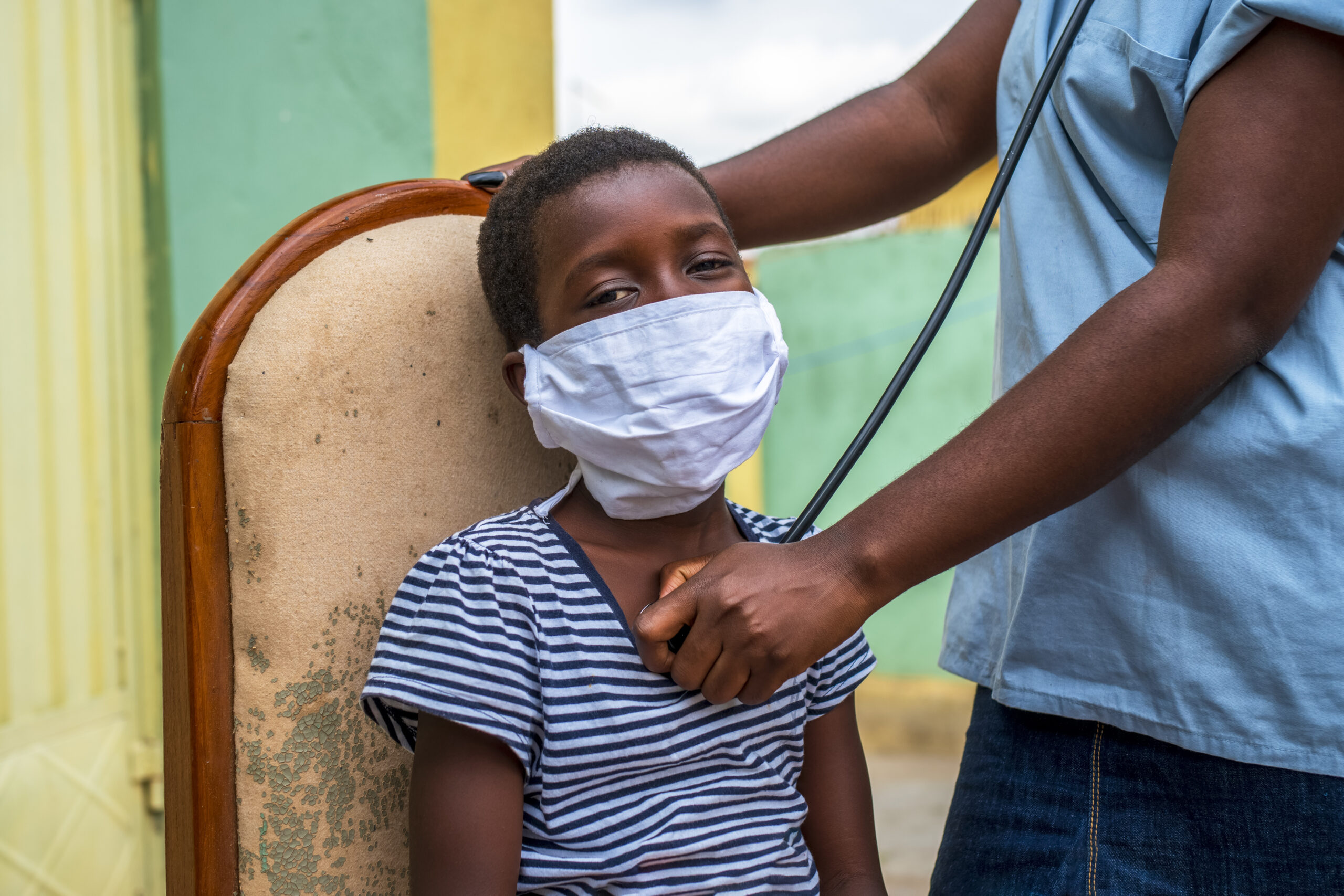
Meningitis Outbreak in Kebbi: A Wake-Up Call for Public Health and Climate Action
A devastating outbreak of cerebrospinal meningitis has hit Kebbi State, claiming 26 lives and infecting 248 people across several local government areas. The state government has approved N30 million for emergency medical response, and isolation centers have been set up. But this crisis goes beyond an immediate health emergency. It highlights deeper public health gaps, environmental factors, and the growing impact of climate change on disease outbreaks. At AYGF, we believe that preventing future outbreaks requires a long-term approach—one that strengthens healthcare, increases vaccine access, and addresses the link between climate and infectious diseases. What is Meningitis and Why is it So Dangerous? Meningitis is an infection that affects the brain and spinal cord, leading to inflammation that can be fatal if untreated. It spreads through respiratory droplets (from coughing, sneezing, or close contact), making outbreaks common in crowded environments. Symptoms to Watch For Early detection is critical. Meningitis symptoms often appear suddenly and may include: In severe cases, it can lead to seizures, coma, and death. Immediate medical attention can save lives. Why Does Meningitis Keep Returning? The Kebbi outbreak is not an isolated incident. Nigeria is part of the “Meningitis Belt,” a region in Africa where outbreaks occur frequently, especially during the dry season (November–May). Several factors contribute to the recurring outbreaks: Limited Vaccination Coverage – Vaccines are the best protection against meningitis, but access remains uneven. The Climate Change Connection: A Growing Public Health Threat Many people do not realize that climate change is fueling the rise of infectious diseases like meningitis. Extreme heat and dry weather create the perfect conditions for bacteria to thrive. According to health experts, prolonged droughts, rising temperatures, and poor air quality are contributing to more frequent and severe outbreaks. As climate change worsens, meningitis and other infectious diseases will become bigger threats, especially in vulnerable regions. How Can We Prevent Future Outbreaks? Stopping meningitis requires a combination of short-term emergency response and long-term structural solutions. 1. Expand Vaccination Programs Vaccines remain the most effective way to prevent meningitis. More efforts are needed to ensure they reach every community, especially in high-risk areas. 2. Strengthen Healthcare Systems Investing in early disease detection, improved healthcare access, and rapid response teams will help control outbreaks before they spread. 3. Improve Public Awareness Many people do not recognize meningitis symptoms early enough. Public health campaigns can help people identify symptoms, seek care quickly, and adopt preventive measures. 4. Address Climate-Related Health Risks The fight against meningitis must include climate action. Governments and organizations must: At AYGF, we are dedicated to protecting communities from preventable diseases by advocating for: stronger healthcare systems that can handle disease outbreaks, community education programs to increase awareness and early detection, policies that integrate climate resilience into public health planning. The meningitis outbreak in Kebbi is a warning—one that we cannot afford to ignore. We need urgent action, not just to control this outbreak, but to prevent future ones. What Can You Do? We can stop the spread of meningitis and build a future where public health is prioritized, and climate change no longer fuels disease outbreaks. Join AYGF in this fight. The time to act is now.
