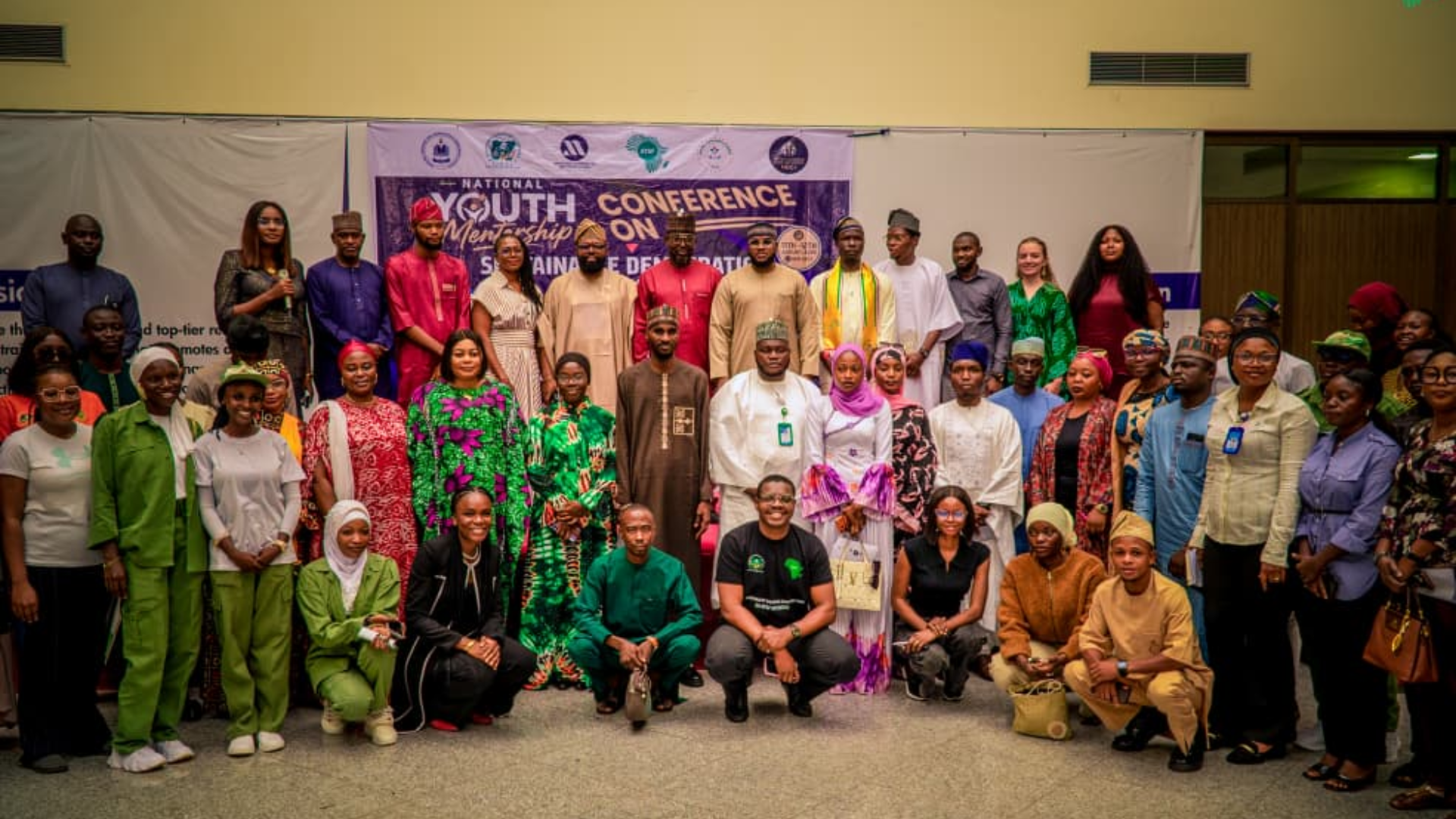
The National Youth Mentorship Conference on Sustainable Democratic Governance brought together young Nigerians, policymakers, electoral stakeholders, civil society organisations and other key actors for two days of conversations on the role of young people in shaping Nigeria’s democratic future.
Held under the theme, “Building Sustainable Pathways for Civic Leadership, Electoral Participation and Democratic Governance,” the conference created space for participants to examine the realities of youth participation in democracy, the barriers that continue to limit meaningful inclusion, and the role young Nigerians must play in strengthening democratic governance.
Across the two days, discussions moved beyond the question of whether young people are participating and focused instead on how they can participate more meaningfully, responsibly and sustainably.
A central part of the conversation was the Independent Nigerians Campaign (INC), a non-partisan citizens’ movement focused on rebuilding public trust, encouraging issue-based participation and promoting greater electoral participation ahead of the 2027 elections.
The conversations recognised that electoral apathy among young Nigerians cannot simply be explained by a lack of interest. Distrust, disillusionment, insecurity, economic hardship and barriers within the electoral process continue to influence how young people engage with democracy. Rebuilding confidence in the democratic process therefore requires more than voter education. It requires creating an environment in which citizens believe that their participation matters.
The conference also examined the place of young people in political leadership. While the Not Too Young to Run legislation marked an important step towards greater youth inclusion, participants reflected on the continued gap between young people’s population strength and their representation within political structures.
For young Nigerians, the message was clear: participation must go beyond being voters, campaign mobilisers or spectators during elections. Young people must take ownership of the democratic space, organise, build networks, develop credible agendas and engage with the political process through peaceful and lawful means.
At the same time, the conference acknowledged the responsibility of political institutions and other stakeholders to create sustainable pathways for young people to participate and lead. Youth inclusion cannot be reduced to symbolic representation. Young people must have opportunities to contribute to decisions that affect their lives and communities.
The second day deepened these conversations through discussions on inter-generational political power shifts, youth mentorship, electoral participation and institutional arrangements for youth inclusion. Participants also engaged in a Youth Policy Hackathon and Innovation Challenge, creating space for young people to develop ideas and approaches around civic engagement and democratic participation.
The conference further emphasised that electoral integrity is a shared responsibility. Government institutions, electoral bodies, political actors, civil society, the media and citizens all have roles to play in strengthening democratic processes. For young people in particular, participation does not end on election day. It includes being informed, asking questions, engaging with issues, monitoring processes and holding leaders accountable.
Ultimately, the two-day conference reinforced an important point: Nigeria’s democratic future cannot be built without its young people.
Young Nigerians have the energy, creativity, ideas and capacity to contribute to the country’s future. The challenge is to ensure that they are not only called upon when their votes, voices or numbers are needed, but are given meaningful opportunities to shape the decisions, institutions and systems that determine that future.
For AYGF, the conference reaffirmed the importance of creating platforms, partnerships and opportunities through which young Nigerians can engage meaningfully with democracy and governance.
Democracy is not an event. It is a culture — and building that culture requires sustained participation, responsible leadership and a generation of young Nigerians willing to take their place in shaping the country they want to see.
